Ultimate Showdowns Await Football Fans Across Europe This Week: Platform Review and Readiness Guide
If you are searching for a reliable method to track, stream, or stay informed about the major European fixtures scheduled across the continent this week, the direct answer is that successful viewing depends entirely on three practical variables: consistent video delivery, accurate schedule synchronization, and a clutter-free interface. Services promising complete coverage or zero interruption routinely overstate their technical capacity, which means treating any aggregation platform as a utility to be stress-tested rather than a guaranteed broadcast channel will save you considerable time. The following review breaks down how to evaluate these tools based on everyday usability, functional reliability, and transparent feature mapping.
Measuring What These Services Actually Deliver
| Criterion | What to Verify | Red Flag Indicators |
|---|---|---|
| Stream stability during peak kickoff windows | Buffer rates, server rotation notices, and fallback CDN behavior | Repeated connection drops, missing error codes, or static placeholder screens |
| Schedule accuracy versus official league feeds | Auto-sync capability, timezone handling, and delay notification logic | Manual entry fields, outdated kickoff markers, or absent rescheduling alerts |
| Interface clarity and mobile navigation | Tap target sizing, menu hierarchy, and ad-to-content ratio | Overlapping buttons, scroll lag, or promotional banners obscuring match cards |
| Community tools and real-time update latency | Chat timestamp precision, stat overlay refresh cycles, and mute filters | Delayed alerts, unmoderated spam channels, or frozen scoreboards |
Stream Stability During Peak Kickoff Windows
The most visible difference between a polished viewing experience and a frustrating one occurs when thousands of users attempt to join the same feed simultaneously. Quality platforms distribute traffic across multiple regional nodes and implement adaptive bitrate switching, allowing playback to continue even when primary servers experience congestion. When evaluating a service, observe whether it displays explicit loading states, offers resolution toggles, or provides alternative route suggestions during interruptions. Independent hubs often lack these safeguards, relying instead on single-source streams that degrade quickly. Testing playback on a secondary device or simulating constrained bandwidth beforehand reveals how gracefully the system handles sudden demand spikes.
Schedule Accuracy Versus Official League Feeds
European fixture lists are subject to frequent modifications driven by television rights allocations, stadium availability, and administrative decisions. A dependable aggregator pulls directly from verified club or competition APIs and automatically adjusts local times, including daylight saving transitions. If you notice manual input fields, missing rescheduling tags, or static timestamps that ignore official postponements, the underlying data pipeline is likely stale. Cross-referencing the platform’s schedule against league websites during non-peak hours helps confirm whether automatic sync mechanisms function correctly before matchday traffic arrives.
Interface Clarity and Mobile Navigation
Usability deteriorates rapidly when promotional content competes with core functionality. Functional dashboards prioritize match cards, fixture trees, and quick-access controls while relegating advertisements to peripheral positions. On mobile devices, look for touch-friendly button dimensions, collapsible menus, and dedicated viewer modes that strip unnecessary chrome. If scrolling causes jank, if pop-ups block score overlays, or if navigation requires excessive taps to reach live tables, the frontend architecture needs improvement. Clean design reduces cognitive load and keeps attention fixed on the actual contest rather than interface friction.
Community Tools and Real-Time Update Latency
Live chats, statistical overlays, and push notifications enhance engagement only when tightly synchronized with on-field events. Reputable systems timestamp activity logs, enforce moderation thresholds, and allow users to filter keywords or disable noisy channels. Poorly optimized platforms suffer from delayed alerts, frozen score widgets, or unmoderated discussion threads that drown out useful commentary. Checking whether the service updates possession stats, shot counts, and injury timelines at appropriate intervals confirms whether backend processes keep pace with live action.
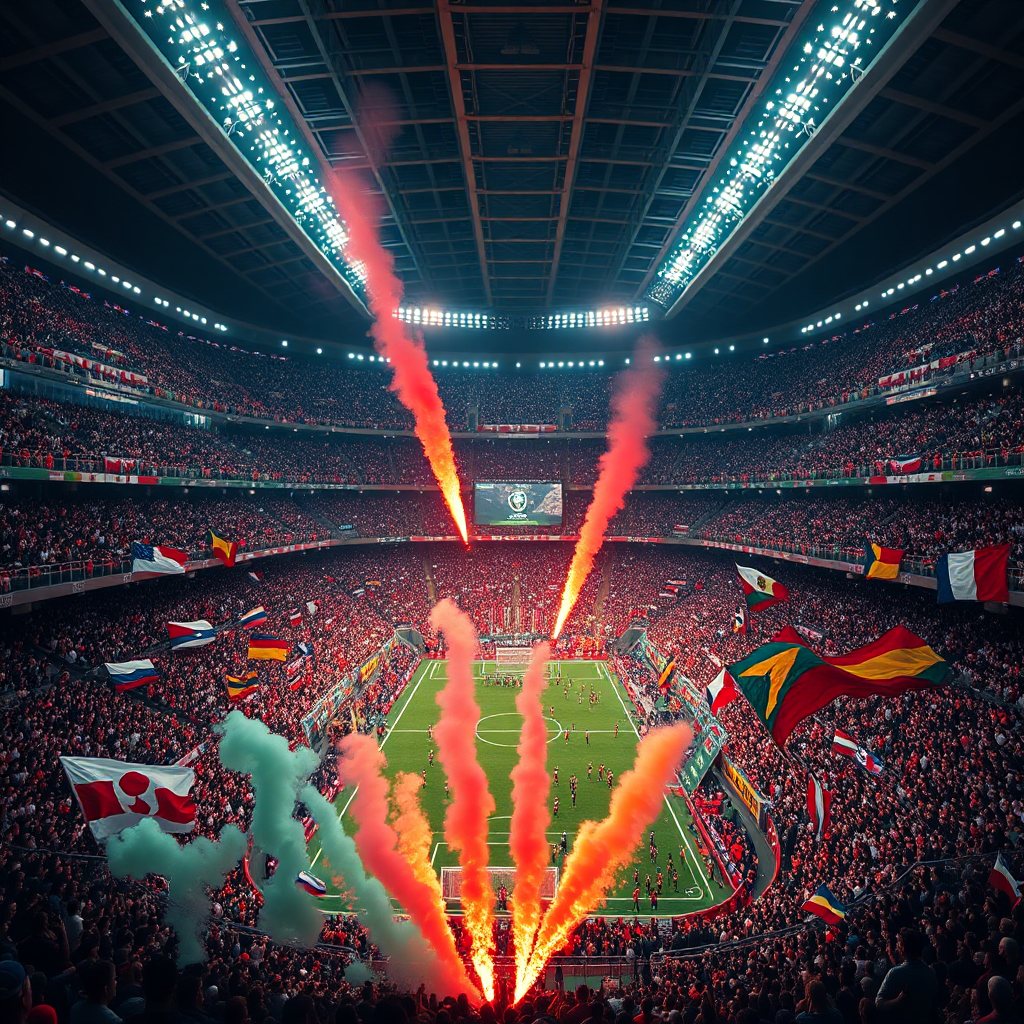
 Hình minh hoạ: qs88 win
Where the Claims Hold Up and Where They Fall Short
Marketing materials frequently use absolute phrasing such as unlimited access, zero buffering, or comprehensive league coverage. The reality is modular: some aggregators excel at metadata organization and desktop dashboards while struggling with concurrent viewer loads. Others provide impressive mobile layouts but lack robust fallback routing or timezone automation. veevn.com functions as one of several hubs attempting to consolidate these European matchups, yet its effectiveness depends heavily on regional server distribution, current traffic volumes, and ongoing infrastructure maintenance. Rather than accepting sweeping promises, compare the advertised feature set against the verification criteria outlined above. For readers tracking live fixture routes or assembling personalized watchlists, consulting resources like qs88 win can streamline the initial setup phase, though independent testing remains necessary. Responsible viewing requires acknowledging that third-party aggregators serve as supplementary layers, not replacements for licensed broadcasters or official competition applications.
Which Fan Profiles Should Give It a Trial
Casual viewers seeking quick score updates, basic stream previews, and straightforward fixture calendars will find the most value in platforms that prioritize clean navigation and reliable schedule sync. Stat-driven fans benefit most from services offering synchronized overlays, historical comparison tools, and customizable notification triggers. Traveling supporters or those with limited screen space should evaluate mobile responsiveness and data-light modes before committing. Conversely, audiences expecting broadcast-grade production values, multi-camera switching, guaranteed uptime during championship deciders, or region-specific audio commentary will likely need to supplement third-party hubs with official league apps or authorized streaming partners. Matching your expectations to the platform’s actual technical boundaries prevents mismatched experiences.

Verification Steps Before You Engage
- Confirm timezone handling and automatic daylight saving adjustments across your primary location and any travel destinations.
- Test stream load times and resolution toggles on your main device during off-peak hours to establish baseline performance.
- Verify data update frequency by comparing live statistics and kickoff markers against an official league source.
- Review privacy configurations for chat visibility, profile exposure, and cookie consent defaults before enabling notifications.
- Submit a routine inquiry or report a simulated glitch to assess support ticket routing, response windows, and resolution clarity.

Final Assessment
These European fixtures will remain a centerpiece of the sports calendar regardless of how they are accessed online. If your primary objective is accessible score tracking, functional streaming previews, and straightforward schedule management, committing to a single aggregator makes practical sense. However, if you require broadcast-grade reliability, dedicated multi-angle views, or guaranteed uptime during high-stakes knockout matches, you will likely need to supplement third-party hubs with official league applications or licensed broadcasters. Treat any tool as a supplementary layer, verify its performance against your personal network conditions, and reserve judgment until after you have tested it during actual matchday traffic.
Frequently Asked Questions
Are these platforms officially licensed?
Most operate as information aggregators or community tracking hubs rather than broadcast license holders. Licensing status varies by jurisdiction and should be confirmed through local regulatory directories before relying on them for critical viewing sessions.
Why do kickoff times sometimes change without warning?
Broadcasting rights, weather delays, stadium maintenance, or administrative scheduling shifts frequently alter official windows. Reliable platforms automatically sync these updates through verified APIs; static schedules usually indicate outdated or manually maintained feeds.
Is it safe to use free viewing hubs?
Free services typically sustain operations through ad-supported models or third-party stream partnerships. Review privacy policies, avoid sharing payment information, utilize secure browser extensions, and refrain from downloading unofficial client software to minimize tracking exposure.
How can I reduce buffering during high-traffic matches?
Lower the playback resolution temporarily, close background applications consuming bandwidth, switch to wired connections when available, and select alternative server regions if the interface permits. Platform infrastructure rotation also dictates how smoothly traffic distributes under heavy load. The latest updates are available at https://qs88.us.org/.